All Categories
Featured

The Effect of Tech on Texas Credit Therapy
Table of Contents
- – Modernizing Credit Accuracy in 2026
- – Specific Patterns for Debt in Texas
- – Fact-Based Disagreement Documents
- – The Function of Option Data in 2026
- – Strategies for Financial Institution Direct-Ne...
- – Recognizing Common Reporting Inconsistencies
- – Maintaining Progress and Future-Proofing Credit
- – Final Ideas on Credit Management
Modernizing Credit Accuracy in 2026
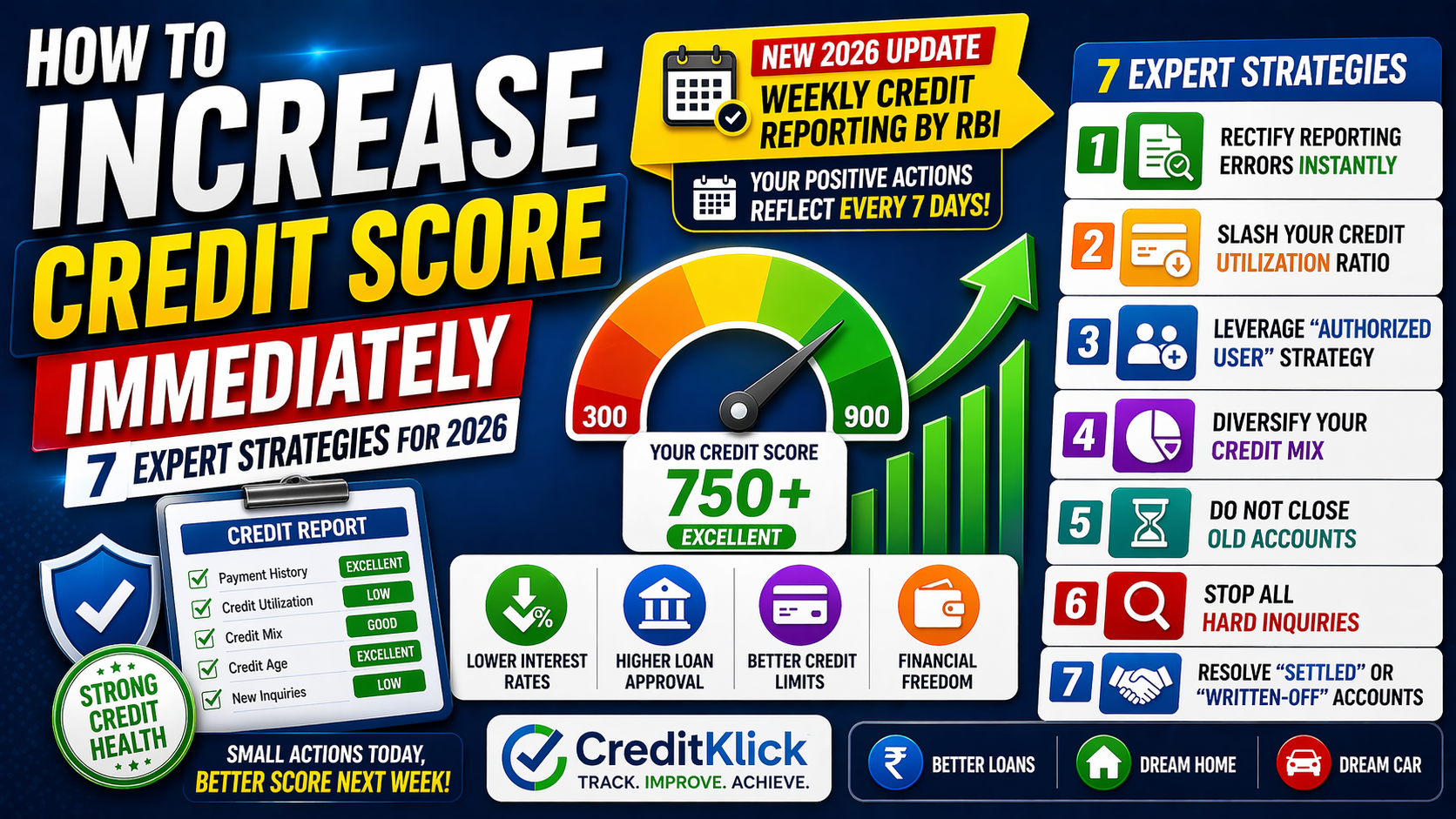
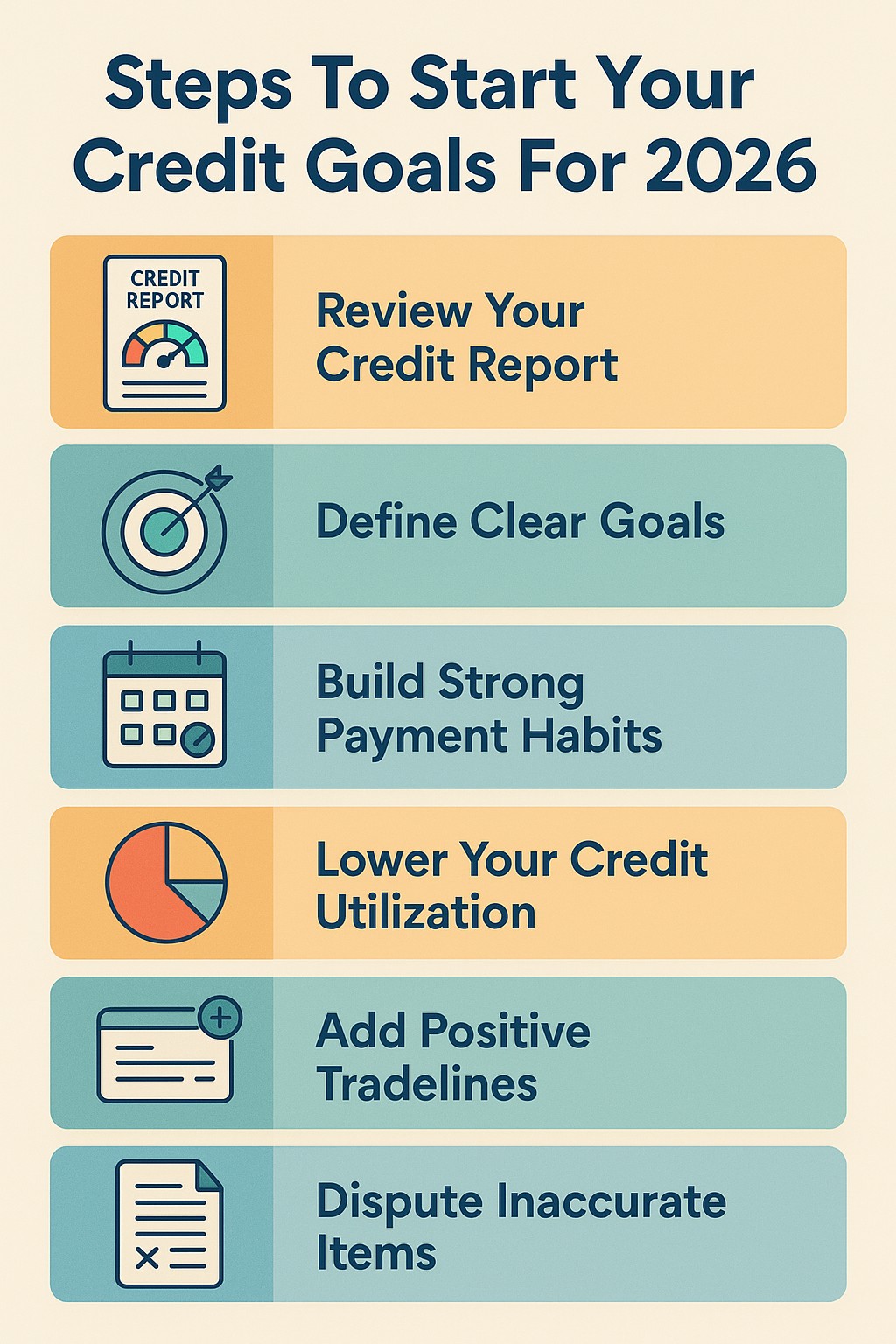
The shift toward automated data processing has actually reached a new peak in 2026, forcing a modification in how customers approach their financial records. For years, individuals count on generic template letters to challenge inaccuracies on their reports. In the current year, those methods rarely set off a manual evaluation. The 3 significant credit bureaus now utilize sophisticated device discovering systems that can recognize and dismiss boiler-plate templates within seconds. Expert financial therapists stress that effective conflicts now require a more surgical approach based upon factual information points instead of vague legal claims.Accuracy in 2026 is no longer just about removing negative marks. It is about ensuring every detail-- from employment history to the specific date of a last payment-- lines up throughout all 3 significant reporting firms. Errors typically take place when lenders utilize different software versions to publish data. These technical disparities develop "fragmented files" that can reduce a credit rating even if the payment history is perfect. Attending to these pieces needs an understanding of how data streams from the creditor to the repository.
Specific Patterns for Debt in Texas
Residents trying to find a better monetary standing have found that localized data patterns matter. In Texas, particular regional lenders have actually transitioned to real-time reporting models. While this assists those who pay on time see immediate score increases, it likewise suggests that any clerical mistake by a regional branch appears on a report almost quickly. High-level counseling concentrates on identifying these real-time reporting lags. Success often comes from competence in Debt Security throughout the examination stage. By determining the exact moment a data package was misidentified, customers can require a correction much faster than the basic thirty-day window.Professional techniques in 2026 also focus on the "Metro 2" format. This is the standard language used by creditors to interact with bureaus. A lot of consumers are uninformed that a disagreement is most efficient when it highlights a City 2 field mistake. If a creditor reports a "Date of Last Activity" that does not match the "Date of First Delinquency" according to the particular code required by the bureau, the account should be fixed. Financial advisors in Texas spend considerable time auditing these codes to find disparities that the average person would overlook.
Fact-Based Disagreement Documents
The days of just stating "this is not mine" are gone. In 2026, the concern of proof has moved slightly due to the E-OSCAR (Electronic Online System for Total and Precise Reporting) updates. Creditors now have access to digital "image repositories" where they can immediately pull a signed agreement or a payment scan to verify an account. To win a conflict, a consumer should provide proof that is equally digital and verifiable. This might consist of bank statements showing a cleared check that was never ever credited or a letter from an insurance business confirming a medical bill was paid.Increased interest in Post-Inheritance Debt Avoidance shows a wider shift towards information accuracy. When a dispute is filed, it is appointed a four-digit code by the bureau's AI. If the code is "001" (Not Mine), the system carries out a basic name and address match. If the consumer offers a particular "002" (Account Not Joint) or "012" (Claims Account Closed) with supporting paperwork, the system is forced to route the file to a human private investigator. This human touch is where most expert counselors discover their triumphes.
The Function of Option Data in 2026
Credit building in 2026 has expanded far beyond charge card and automobile loans. Most bureaus now include "Level 2" information, which consists of rent payments, utility costs, and even subscription services. This is a double-edged sword. While it offers more ways to develop a favorable history, it also introduces more chances for reporting mistakes. A missed out on trash collection fee in Texas might potentially appear as a collection account if the provider utilizes a third-party billing agency.Counselors suggest that consumers routinely check their "secondary" reports. These are smaller sized, specialized reporting firms that track tenant history and check-writing practices. Often, a mistake on a main credit report originates from one of these smaller databases. Correcting the source is often much easier than fighting the primary bureau, as the smaller agencies have less automatic defenses and are more responsive to direct inquiries.
Strategies for Financial Institution Direct-Negotiation
In some cases the most effective method to handle a disagreement is to bypass the bureaus totally. In 2026, "Goodwill Removals" have actually been mainly replaced by "Accuracy Adjustments." Big banks and cooperative credit union in Texas have devoted departments for information integrity. If a consumer can show that a late payment was triggered by a technical problem on the bank's mobile app or a disruption in the local banking network, these departments can upgrade the internal record. As soon as the internal record is repaired, the update naturally streams to the credit bureaus throughout the next reporting cycle.This method requires patience and a clear proof. It is valuable to tape-record the dates and times of technical problems or to keep screenshots of payment confirmation screens. People frequently look for Outdoor Budgeting in 2026 to fix persistent reporting mistakes that the bureaus refuse to acknowledge. By dealing directly with the source, the consumer removes the middleman and addresses the root of the problem.
Recognizing Common Reporting Inconsistencies

Information entry remains a human process at some level, and mistakes are inescapable. In 2026, common mistakes include:.
- Replicate accounts where a debt was sold to a new collector however the initial creditor stopped working to update the balance to absolutely no.
- Incorrect credit line that make a customer's utilization appearance greater than it really is.
- Mixed files where data from 2 individuals with comparable names or social security numbers are combined.
- Re-aging of old debts, which takes place when a debt collection agency incorrectly changes the "date of very first delinquency" to keep a negative item on the report longer than seven years.
Each of these errors requires a particular legal citation under the FCRA. Writing a letter that points out Section 611 or Area 623 specifically signals to the bureau that the customer is conscious of their rights. This typically results in a more thorough examination than a letter that merely requests for "assistance" or "removal.".
Maintaining Progress and Future-Proofing Credit

When a dispute succeeds, the work is not ended up. The credit environment of 2026 relocations rapidly. A deleted product can often "re-pollute" a report if the creditor's software application is not upgraded. Tracking services are necessary for catching these "zombie" accounts before they cause significant damage. Expert financial counseling often includes a three-to-six month follow-up duration to make sure that fixed products stay corrected.Building credit in 2026 also involves strategic debt management. Counselors advise keeping credit utilization listed below 7 percent, a much lower threshold than the 30 percent suggested in previous years. This change is because of the increased sensitivity of the latest scoring algorithms. High-limit cards need to be used moderately, and balances need to be settled several times a month to make sure the reported balance is always at its lowest point.
Final Ideas on Credit Management
The course to a best score in Texas involves a mix of technical knowledge and consistent follow-up. While the technology utilized by bureaus has actually become more complicated, the underlying principle stays the same: the law requires 100 percent accuracy. Whether a person is using a Debt or browsing the procedure alone, success concerns those who document every step and comprehend the digital systems behind the numbers. In 2026, the most effective tool a customer has is not simply the law, however the data that proves their financial story is being informed properly. Dependable credit is the structure of modern life, and keeping that foundation solid needs consistent watchfulness and an eye for information.

Table of Contents
- – Modernizing Credit Accuracy in 2026
- – Specific Patterns for Debt in Texas
- – Fact-Based Disagreement Documents
- – The Function of Option Data in 2026
- – Strategies for Financial Institution Direct-Ne...
- – Recognizing Common Reporting Inconsistencies
- – Maintaining Progress and Future-Proofing Credit
- – Final Ideas on Credit Management
Latest Posts

Access Free Financial Counseling Near Me

Essential Financial Literacy Concepts for Adults in 2026
Your Consumer Rights Under Modern Credit Laws
Latest Posts
Access Free Financial Counseling Near Me
Essential Financial Literacy Concepts for Adults in 2026
Your Consumer Rights Under Modern Credit Laws