All Categories
Featured

The Benefits of Professional Financial Counseling Programs
Table of Contents
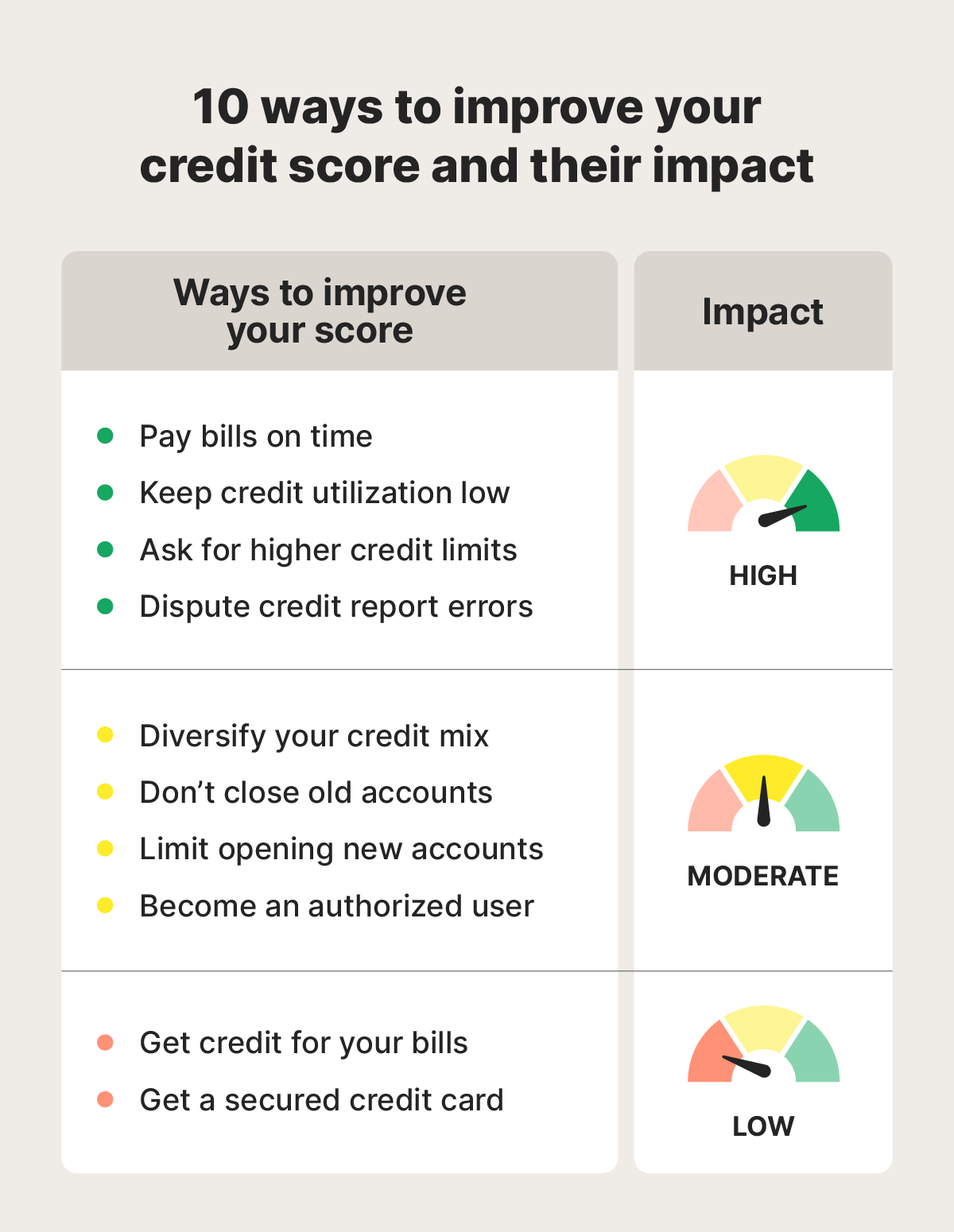
Results vary depending upon how lots of missed out on payments you have and how far overdue they are. Missed payments stay on your report for seven years, but their impact fades with time. Your credit utilization ratio, the amount of credit you're utilizing versus what's available, represent 30% of your FICO Score and 20% of your VantageScore.
If yours is higher, paying for debt is among the fastest methods to improve your score. Consider utilizing the financial obligation snowball or financial obligation avalanche method to pay it down without otherwise impacting your score. Within a month of your brand-new utilization ratio being reported to the credit bureaus. That card's credit limit and history get factored into your own score.
As an authorized user, the primary cardholder's habits impacts your credit too. If they miss out on payments or bring a high balance, it can harm your score, not just theirs. As soon as the card company reports the brand-new account to the bureaus in some cases within a billing cycle or more. Once it's authorized and reported, it can lower your credit usage and boost your credit history.
The secret is to not contribute to those balances. If your earnings has actually increased or you have a strong payment history, you're a great prospect for a boost. Ask your issuer whether a difficult query is needed initially, as that can temporarily lower your score. Quick once the higher limitation is reported to the bureaus, your utilization ratio drops and your rating should follow.
Nevertheless, you can also contest the details if it's incorrect or too old to be listed. FICO 8, the most typically used version, counts paid and overdue collections on debts of $100 or more. More recent models, FICO 9 and 10, disregard paid collections completely and deal with unpaid medical collections less seriously.
Reclaiming Your Rating After a Debt ConsolidationEffective Strategies for Fixing Your Credit Quickly
Get tailored debt relief solutions that might lower what you owe and assist you regain financial stability. These cards are backed by a money deposit (typically paid upfront), which acts as your credit line. They work like a regular credit card and report your payment history to the bureaus the very same method, so consistent on-time payments develop your rating in time.
If you have a thin credit profile, tools like Experian Increase can help you construct it out by, such as lease, energies and streaming services. Not all scoring designs element in this information, but where it's considered, a constant record of on-time payments can meaningfully enhance your rating. As quickly as the info is reported to the bureaus.
Do not close old accounts, even ones you seldom use. Keep your first credit card active by putting a little repeating charge on it, like a streaming membership, and pay it off each month. Closing old accounts shortens your credit history and can increase your credit usage. Combined, this might lower your credit rating.
Closing your oldest account minimizes your typical account age, increases credit utilization and can decrease your score when reported to the credit bureaus. It accounts for 10% of your FICO Rating and is not factored into VantageScore at all.
Be careful of securing new credit just for the sake of improving your credit, however. Concentrate on naturally blending up your credit over time. Fast once the brand-new account is reported to the bureaus, you might see a change within a billing cycle. See LendingTree's complete guide on how your credit report is determined.
Proven Methods for Fixing Poor Credit Quickly
The time it takes will depend on the individual aspects impacting it and the actions you take to change them. A credit line increase or ending up being an authorized user can show outcomes within a billing cycle.
Reclaiming Your Rating After a Debt Consolidation
Closing old accounts shortens your credit history and can increase your credit usage. Combined, this might decrease your credit score.
Closing your earliest account reduces your typical account age, increases credit utilization and can lower your score when reported to the credit bureaus. It represents 10% of your FICO Score and is not factored into VantageScore at all. If you just have charge card, getting a little personal loan could boost your rating.
Be wary of taking out new credit simply for the sake of enhancing your credit. Focus on naturally blending up your credit over time.
The time it takes will depend on the individual factors affecting it and the steps you take to change them. A credit line boost or becoming a licensed user can reveal results within a billing cycle.
Understanding Credit Repair Laws in 2026
Don't close old accounts, even ones you hardly ever use. For example, keep your first charge card active by putting a little recurring charge on it, like a streaming subscription, and pay it off every month. Closing old accounts shortens your credit rating and can increase your credit usage. Combined, this might lower your credit history.
Closing your oldest account minimizes your average account age, increases credit utilization and can reduce your score when reported to the credit bureaus. It accounts for 10% of your FICO Rating and is not factored into VantageScore at all.
Be cautious of getting new credit simply for the sake of improving your credit, however. Focus on organically blending your credit over time. Fast once the brand-new account is reported to the bureaus, you may see a change within a billing cycle. See LendingTree's complete guide on how your credit rating is calculated.
The time it takes will depend on the specific factors impacting it and the actions you take to change them. A credit line increase or becoming an authorized user can reveal results within a billing cycle. Recovering from missed payments or collections can take months. The excellent news: unfavorable items fade in impact in time and fall off your report totally within seven to ten years.

Latest Posts

Access Free Financial Counseling Near Me
Essential Financial Literacy Concepts for Adults in 2026
Your Consumer Rights Under Modern Credit Laws