All Categories
Featured


How to Fix Credit Scores Fast in 2026
Dep' t of Ins. & Fin. Servs. Jan. 17, 2024), readily available at. The motor lorry maximum file cost in Ohio is updated yearly to reflect inflation. 2022 amendments to the Uniform Commercial Code address emerging technologies, providing updated rules for business deals including virtual currencies, dispersed journal innovations( including blockchain), artificial intelligence, and other technological advancements. The changes span almost every article of the UCC and include a new Article 12 addressing certain types of digital properties defined as" Controllable Electronic Records. "The amendments likewise clarify the UCC's applicability to mixed deals including both goods and services. Oregon embraced these changes efficient January 1, 2026. See. Thirty-three jurisdictions have actually now embraced the 2022 amendments., effective January 1, 2026, prohibits medical company from reporting the quantity or existence of medical debt to a customer reporting company( CRA), and prohibits a CRA from consisting of in a consumer report an item that the CRA understands or need to know is medical debt. is efficient January 1, 2026, developing an extensive brand-new information privacy law. In addition to federal wage garnishment protections that utilize the federal minimum wage in calculating secured earnings, many states set limits on wage garnishment utilizing the state's own policy of the base pay. Nineteen states are raising the base pay on January 1, 2026: Arizona($ 15.15), California($ 16.90 )( 29 California localities likewise increased their minimum incomes), Colorado ($ 15.16), Connecticut($ 16.94 ), Hawaii($ 16), Maine ($ 15.10), Michigan ($ 13.73), Minnesota($ 11.41 ), Missouri( $15.00), Montana(
$ 10.85), Nebraska($ 15.00), New Jersey($ 15.92, with specific variations ), New York( $17.00/ 16.00 depending upon area), Ohio ($ 11.00 ), Rhode Island( $16), South Dakota($ 11.85), Vermont($ 14.42), Virginia ($ 12.77), and Washington State ($ 17.13). For more on state solutions for securing wages from garnishment, see( Dec. 2025) See likewise,. The FCC's brand-new guideline on cancellation of consent, 47 C.F.R. 64.1200( a )( 10), was to be reliable on April 11, 2026. On January 6, the FCC of the guideline till January 31, 2027 while it conducts extra evaluation. The guideline likewise specifies numerous methods of revoking authorization which are reasonable per se and forbids callers and texters from designating an exclusive means to demand revocation of approval. See, CG Docket No. 02-278, Order, DA 25-312 (Apr. 7, 2025 ). See. The Department of Education has revealed that the week of January 7 it will start rolling out notifications to those in default on their federal trainee loans that the Department will begin garnishing salaries. The Department suggests it will quickly ramp up the number of notices being sentthere are presently over 5 million trainee
loan customers in default. The Department's guidelines define that the quantity that can be garnished from earnings is the lesser of 15% of non reusable earnings or the amount going beyond $217.50 in weekly non reusable income. 34.19 (b). Debtors have at least one month to make plans to avoid garnishment. See usually. New Jersey's telemarketing policies,, sunset on January 16, 2026. Pursuant to a class action settlement in( now styled as Sweet v. McMahon), class members whose applications were authorized in Choice Group 4 should receive full settlement relief by January 28, 2026. In addition, student loan debtors who submitted applications for a borrower defense discharge in between June 22, 2022, and November 16, 2022, must receive a choice before January 28, 2026, despite the fact that they are not members of the class, if their application pertains to a school.
How to Restore My Credit in 2026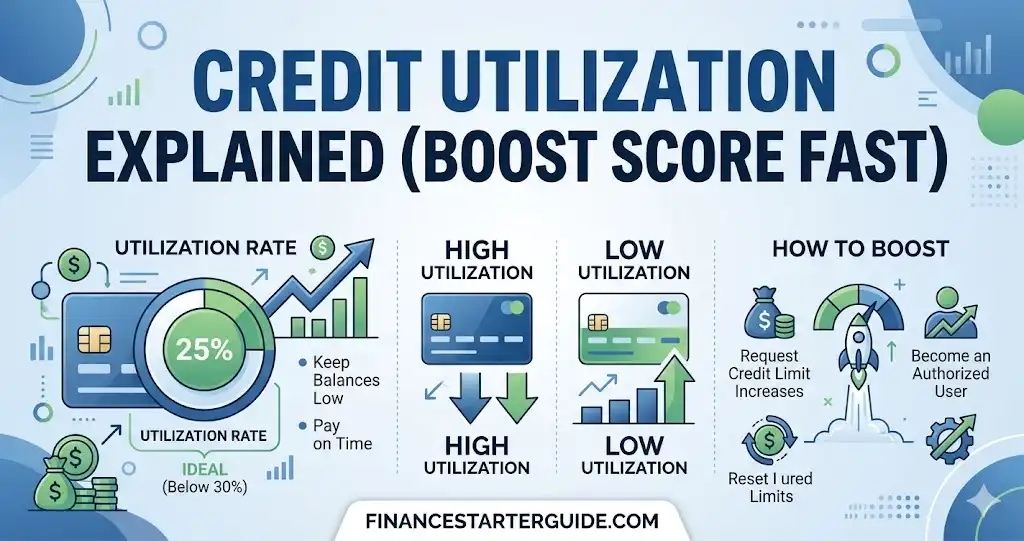
on, which make up roughly 80% of the post-class in Sugary food,. See, 90 Fed. Reg. 2434( Jan. 10, 2025). This indicates that Policy Z was not meant to omit voluntary obligations that are contracted for between parties such as PACE loans. The change goes into result March 1, 2026. While market groups have challenged the change in federal court, neither the district court or circuit court have advised the guideline's effective date and the CFPB is vigorously defending the rule in the lawsuits. These rates are current a minimum of through March 10, 2026, and the NCUA in 2026 will have to identify the rates after March 10. An alleviates the financial concerns imposed on incarcerated individuals's communications. The guidelines reduce existing rate caps for audio communication and establish interim rate caps for videocommunication, both suitable to federal, state, and county reformatories, and to communications within and throughout state lines. For all prisons and jails with typical day-to-day populations of 1,000 or more, compliance is required by January 1, 2025. Smaller sized prisons must comply by April 1, 2025. Unique arrangements permit compliance as late as April 1, 2026, if certain preexisting agreement conditions were in location. See. McMahon), the remaining applications not consisted of in an earlier group but submitted throughout the post-class period by April 15, 2026. If the Department does not fulfill this choice deadline, impacted borrowers in the post-class group will immediately get complete settlement relief. See complainants' counsels'. See likewise January 28, supra. Debtors with any federal student loans paid out on or after July 1, 2026, will only have an option of 2 payment plans: a brand-new tiered basic strategy with fixed month-to-month payments and a new income-driven repayment plan called the Repayment Assistance Plan (RAP). Existing plans (including SAVE, PAYE, IBR, ICR, 10-year requirement, finished, extended, alternative )will not be readily available to anybody who obtains a federal trainee loan that is disbursed on or after July 1, 2026. Notably, anyone who combines their loans into a new Direct Consolidation Loan that is paid out on or after July 1, 2026, will be treated as a debtor with new loans and limited to only the brand-new RAP and basic plans. The new basic strategy has actually repaired payments amortized over a period that varies from 10 to 25 years, with longer payment terms for individuals whoborrowed more. Parent PLUS debtors with brand-new loans after July 1, 2026, will just have access to the standard strategy. Existing Moms and dad PLUS debtors will lose access to income-driven repayment strategies unless they consolidate their Parent PLUS loans into a Direct Combination Loan that is paid out before July 1, 2026. For more details on Moms and dad PLUS customers, see. RAP will be extremely various from previous IDR strategies. Payments in the RAP plan will be computed at 1% to 10 %of the customer's full adjusted gross earnings, depending on the income level. The resulting month-to-month payment is lowered by $50 per reliant, with a minimum monthly payment of $10. Any remaining balance will not be forgiven until thirty years of certifying time in the strategy. The last policies governing these changes to student loan repayment have not yet been completed. For more details, see. Starting July 1, 2026, theGrad PLUS loan program is removed completely, and there are new dollar quantity limits on other loans to graduate students. There are likewise brand-new limitations on Moms and dad Plus loans. In addition, schools will be permitted to reduce yearly loan limitations for trainees at their school by program or school broad. This is as a result of the July 2025 reconciliation expense, covered in more information in.

Latest Posts

Access Free Financial Counseling Near Me
Essential Financial Literacy Concepts for Adults in 2026
Your Consumer Rights Under Modern Credit Laws